

Posted by I.S. Sundries on 30th Jun 2026
PULSE Newsletter Issue 1
Summer is well and truly here, and it's been a bumper week for the industry — British Flowers Week just wrapped up, Chelsea 2026 is still fresh in everyone's minds and some exciting competition news is starting to build toward October.

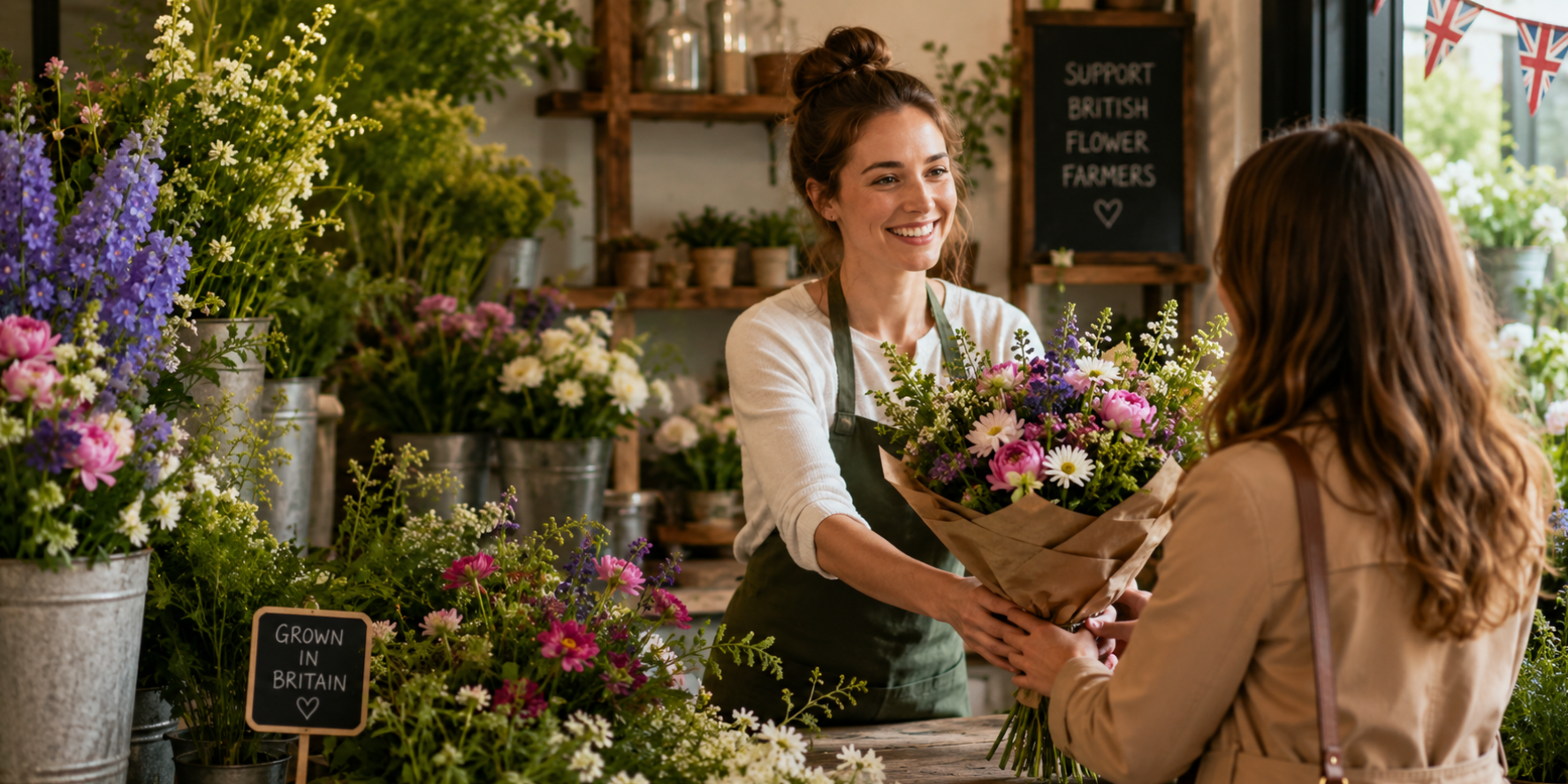
British Flowers Week 2026 (15–21 June) has just come to a close and this year felt like a genuine turning point for the sector. Themed "Flowers for the Future" and aligned with the UN's International Year of the Woman Farmer, the week celebrated the growers, designers and entrepreneurs at the heart of British floristry — and the vast majority of them are women.
The centrepiece was a five-day installation at the Garden Museum in London, where five of the UK's leading floral designers — Elder & Iris, Cynthia Fan, Andy Monaghan, Nate Moss and Vervain — transformed the museum with immersive displays of British-grown summer blooms. A Florist's Table event co-created live floral arrangements from British-grown materials, turning a shared meal into a design experience.
What makes 2026's British Flowers Week especially significant is the data behind it. Flowers from the Farm has released new numbers that show just how strongly the sector is growing: average member revenues are up 12% year-on-year to £33,600, average yields have jumped from 30,700 to 43,500 stems per hectare, and the average number of stems per member is up 55% to 32,500. These aren't incremental gains — they point to a sector that's structurally stronger and better placed to meet demand than ever before.
For you, this means more choice when it comes to sourcing British-grown stems, and a stronger story to tell your customers. Provenance matters to more buyers every year and being able to say "these flowers are British-grown" is increasingly a selling point.

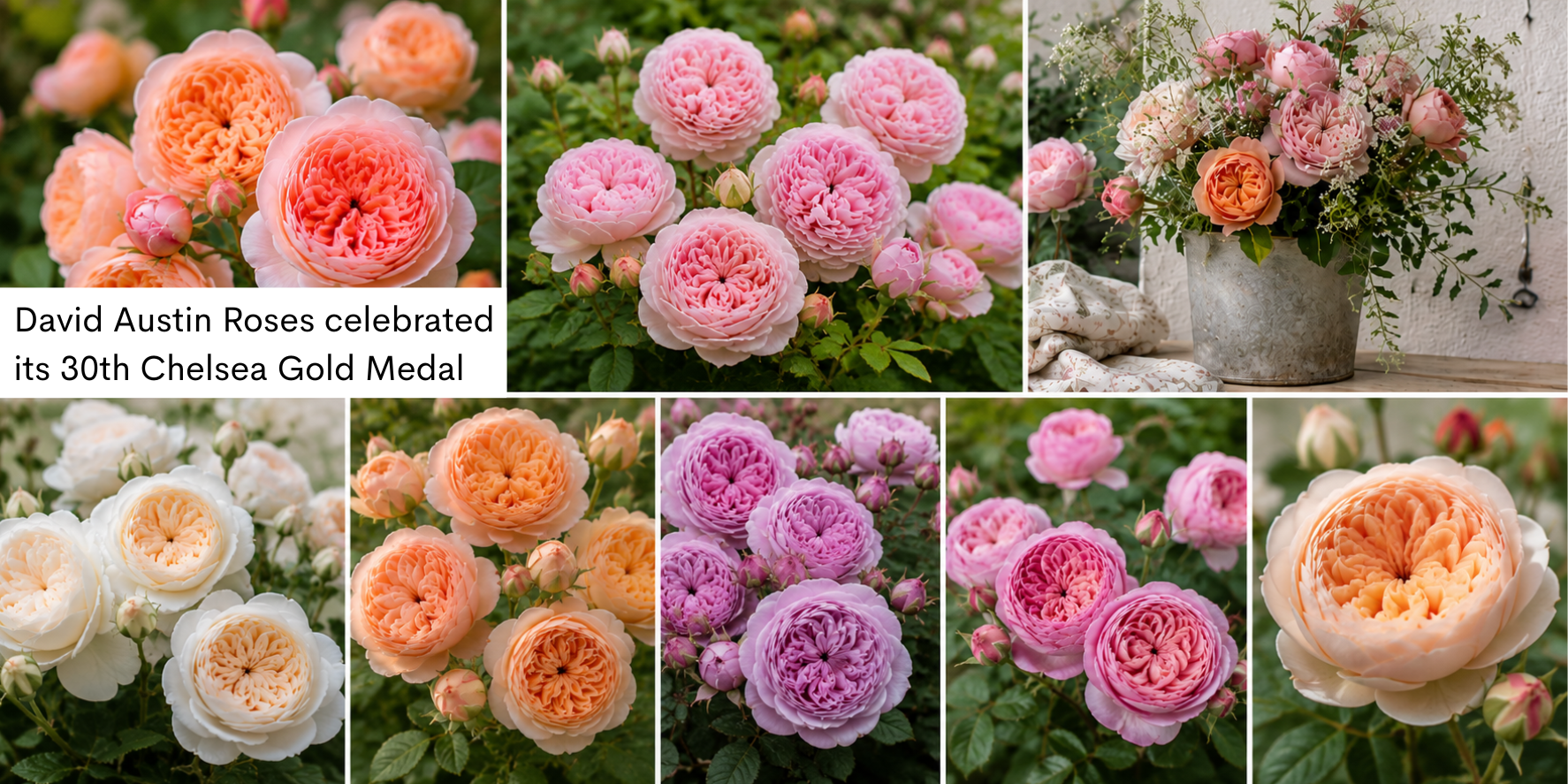
If you haven't caught up on the Chelsea Flower Show 2026 results yet, here are the highlights worth knowing. Peter Beales Roses took its 31st Gold medal; David Austin Roses celebrated its 30th. Taylors Bulbs secured its 31st consecutive Gold for its daffodil display, maintaining an unbroken record stretching back to 1986. Five large show gardens received gold medals, including gardens by Tom Stuart-Smith and Sarah Eberle, and standout balcony and container designs also shone.
Why does this matter to your business? Because Chelsea shapes client conversations for months. After the show, customers bring in photographs, describe colour palettes and ask for "that look" they saw on the BBC. The 2026 show leaned into naturalistic, seasonal design — loose, painterly, with structural plants, roses and dramatic sculptural stems at the fore. If you're not already seeing a spike in rose requests and interest in cottage-garden textures, you likely will be.
David Austin and Peter Beales in particular continue to set the benchmark for what's desirable in garden roses — and that credibility flows through to florists' buying decisions. Worth noting for your summer ordering.

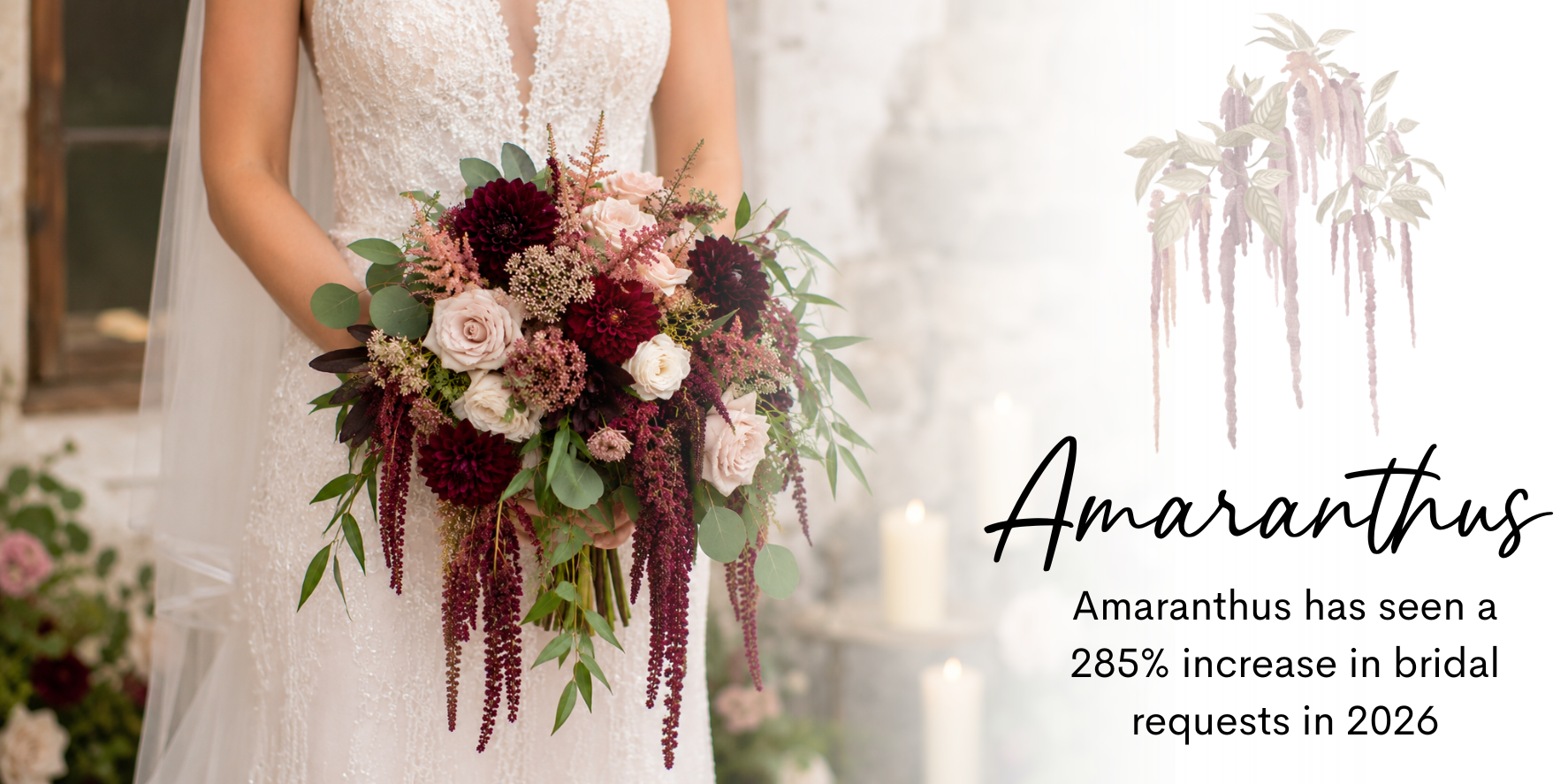
Here's a useful data point for your conversations with clients: Amaranthus has seen a 285% increase in bridal requests in 2026. Its long, cascading form has become the go-to for the "sculptural" aesthetic that dominates this year's floral design direction — arrangements that feel considered and natural rather than tight and symmetric.
The broader trend is toward looser compositions with air and varied stem lengths, seasonal British blooms like Dahlias, Ranunculus and Hellebores, and colour palettes that feel more hedgerow than florist's shelf. Two of the most-discussed trend directions this year are "Unexpected Encounter" — soft neon pastels (mint, lilac, lemon yellow) paired with neutral whites — and "Orbit Revive," a retro-futuristic aesthetic combining Space Age structure with organic plant forms.
What this means practically: clients walking in for summer weddings or events are likely to respond well to arrangements that feel alive and slightly undone. Stems that have movement — Amaranthus, grasses, arching foliage, flowing branches — are landing better than uniform structural designs. If you haven't experimented with Amaranthus recently, this might be the week to.

The industry has a full autumn ahead, with a few key dates to plan around:
**12 August — BFA Industry Awards Finalists Revealed**
Nominees were announced on 1st June, and the finalists will be named in August ahead of a public vote.
**3 October — FleurEx 2026, Nottingham**
The BFA's flagship annual event brings together live competitions, demonstrations, business sessions and the Industry Awards ceremony and Gala Dinner. The UK Florist of the Year 2026 finalists will compete live at FleurEx, with the winner representing the UK at Eurofleurs 2027 in Spain. If you've not been before, this is the floristry event of the year — well worth the trip to Nottingham.


[British Flowers Week / Flowers from the Farm](https://www.flowersfromthefarm.co.uk/british-flowers-week/) | [Garden Museum](https://www.gardenmuseum.org.uk/whats-on/british-flowers-week-2026/) | [RHS Chelsea 2026 Awards](https://www.rhs.org.uk/shows-events/rhs-chelsea-flower-show/awards-2026) | [BFA Industry Awards 2026](https://britishfloristassociation.org/uncategorised/bfa-industry-awards-2026-nominees-announced/) | [FleurEx](https://britishfloristassociation.org/fleurex/)
