

Posted by I.S. Sundries on 24th Nov 2026
PULSE Newsletter Issue 22
This week, we explore the new UK–EU plant trade agreement and research revealing that men welcome receiving flowers. As Christmas approaches, we look at building customer confidence, festive poinsettias and the latest Amaranthus trend. Plus, The Profitable Florist’s UK expansion and encouraging garden centre sales despite falling consumer confidence.

On Friday 20 November, at the UK-EU summit in Brussels, the UK agreed a new Sanitary and Phytosanitary (SPS) Agreement with the EU (read it here). According to the government's SPS explainer (read it here), phytosanitary certificates will no longer be needed for GB–EU trade in plants and plant products, saving around £25 per certificate and at least £127.60 per load in inspection fees, and routine SPS border checks will end for many goods. Cut flowers aren't named specifically in the government documents, so the detail for our sector is still to come.
The important caveat: nothing changes yet. The agreement "will apply from 1 March 2028 subject to UK and EU procedures", and current rules stay in place until then, with more sector guidance promised through 2027.
The trade had been pushing hard for this. Days before the summit, Environment Secretary Dame Angela Eagle visited Provender Nurseries in Swanley, Kent, where the HTA said border and compliance requirements have cost the sector around £60 million in the last 12 months, and that the UK imports about £794 million of plants and plant material from the EU (read it here). HTA Chief Executive Fran Barnes called the deal "a very positive step towards arrangements that simplify plant trade". On 17 November, Union Fleurs and the HTA even presented a bouquet to the UK's Deputy Ambassador to the EU to say thank you (read it here).
Why it matters to florists: most of the flowers and plants in a typical UK shop travel through the Netherlands. Less paperwork and fewer checks should, over time, mean fewer delays and less cost being passed down the chain, though it's a 2028 benefit, not a Christmas 2026 one.

New research from online florist 123 Flowers, published for International Men's Day (19 November), found that 50.6% of 1,003 UK men surveyed have never received flowers addressed to them, yet 58.2% say they'd be happy to receive a bouquet (read it here).
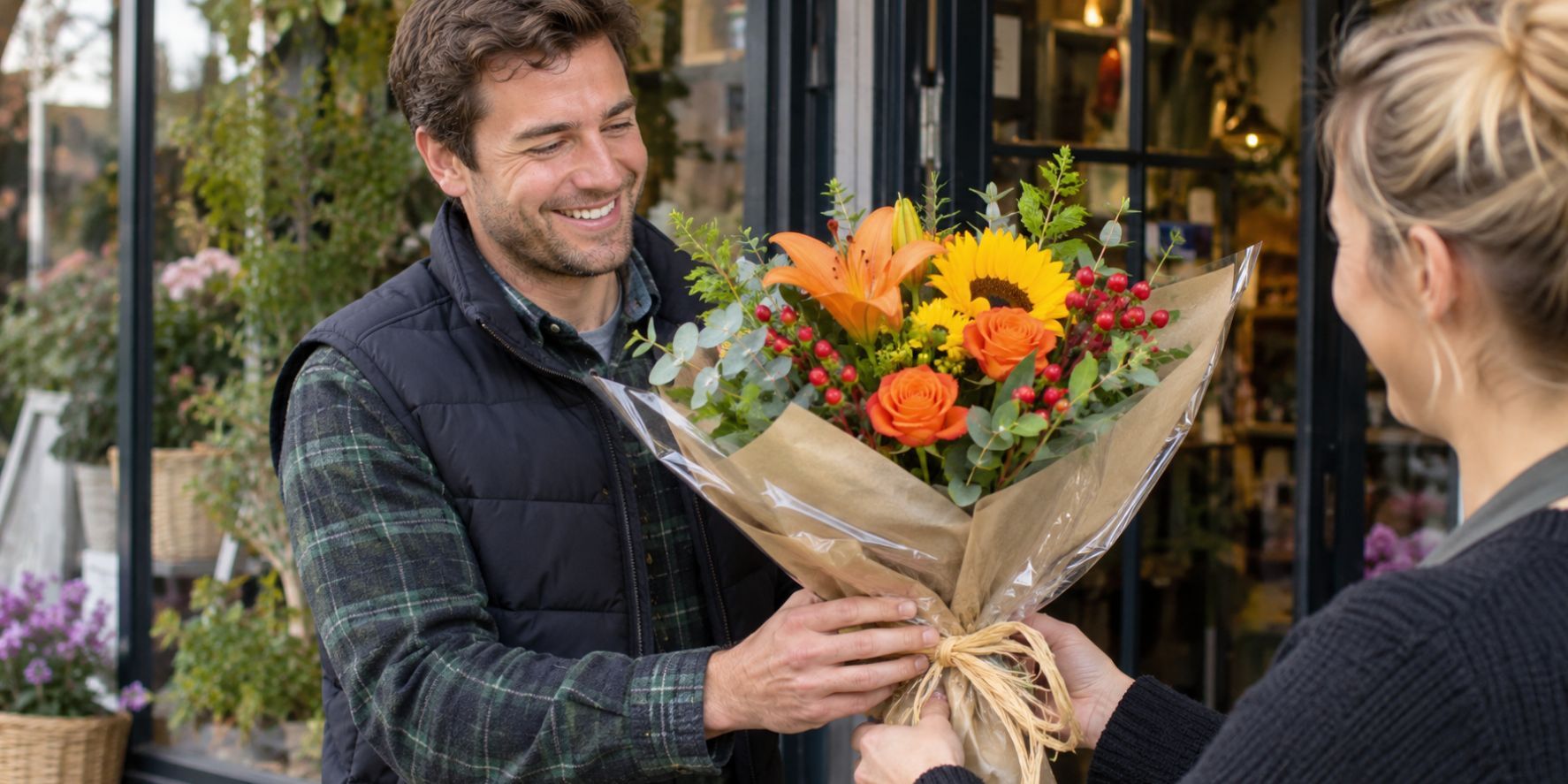
The generational gap is striking: 68.7% of men aged 65+ have never been sent flowers, compared with 24.8% of men aged 25–34. Eight in ten believe gender expectations influence who people buy flowers for, and 37% say they'd feel awkward giving flowers to another man. On a lighter note, King Charles (34 mentions) narrowly beat David Beckham (33) as the famous man men would most like to receive flowers from.
For florists heading into Christmas, this is a ready-made marketing hook. Younger men are already more open to receiving flowers, and a "flowers for him" Christmas offer (structural foliage, dried arrangements, plants in smart pots, deep moody colours) could reach an untapped part of the gifting market.

Two pieces from Floristry Trade Club this fortnight give florists practical Christmas direction. The first argues that Christmas 2026 shoppers are more cautious, better informed and slower to decide, so independents should focus on removing doubt (clear delivery cut-offs, product details and collection options), showing their real faces and expertise in an AI-heavy online market, and planning content right through to Christmas rather than stopping at Black Friday (read it here). As the piece puts it: "Christmas is a marathon, not a sprint."
The second, from Su Whale, focuses on the poinsettia (read it here). Now available in red, green, cream, pink and marbled shades, it can be dressed up as a bespoke gift rather than sold as a bare supermarket plant. The care message matters too: poinsettias dislike cold draughts and sudden blasts of air, and can suffer from mildew and collapse, so a care card and good wrapping for the journey home are part of the value.
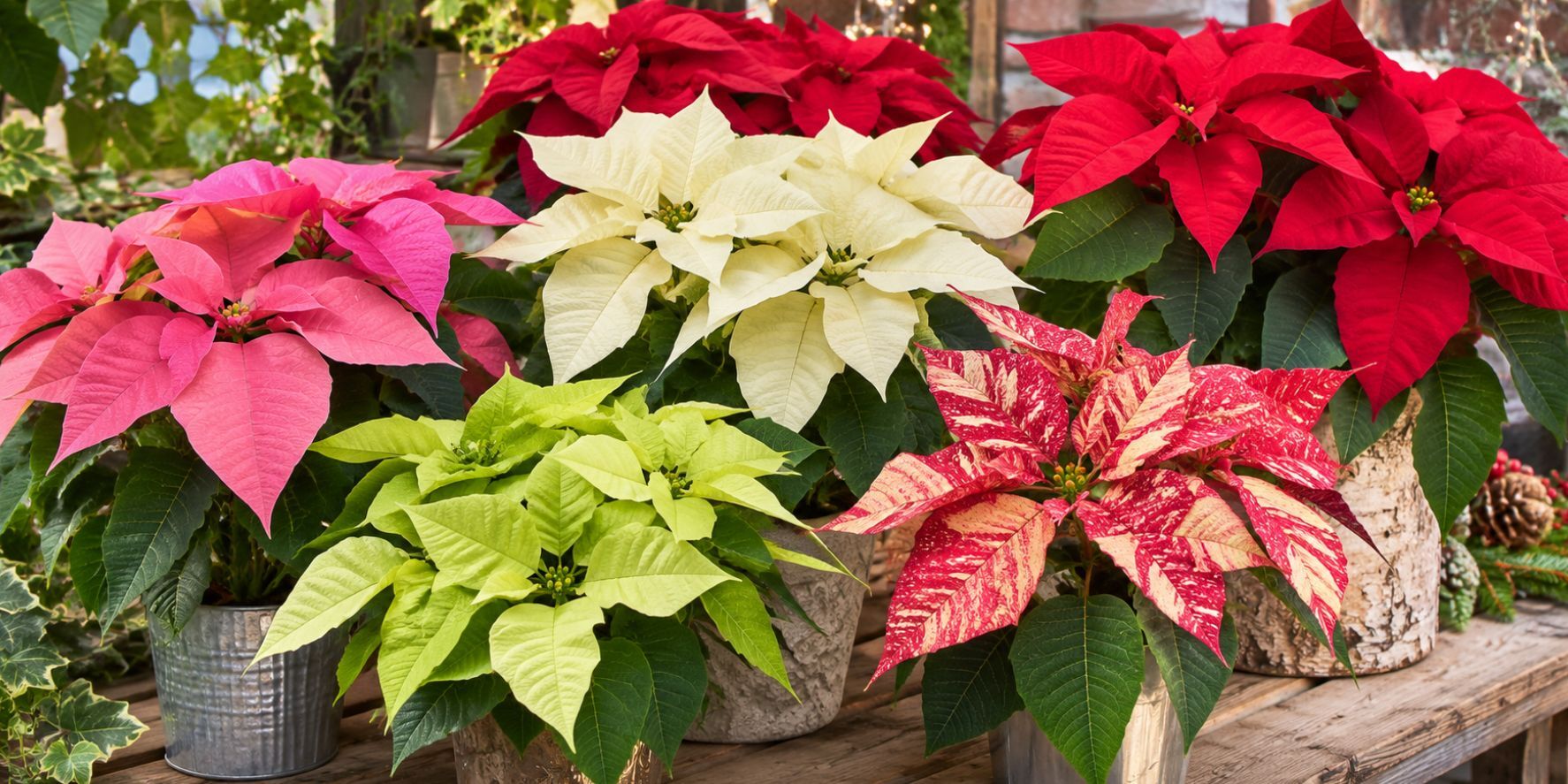
Together they point to the same idea: in a cautious year, florists win on confidence and presentation, not discounting.

US-based sales and profitability training firm The Profitable Florist, founded by Tim Huckabee in 1997, has appointed Jil Peterson as Managing Director of The Profitable Florist UK, expanding its work with flower shops across the UK and Ireland (read it here on Floral Daily).
Peterson brings more than three decades in floristry, including time as Chief Florist at The Peninsula Hong Kong, working with Jane Packer at Selfridges Manchester, and 15 years running her own business, Stables Flower Co. in Northern Ireland. She was most recently Head of Creative Development at Memento in Belfast. The company says it has worked with more than 7,000 flower shops across five continents, focusing on telephone and in-store sales, average order value and staff confidence.
Plans for 2027 include specialist online UK training and a UK edition of The Prosperity Path, a six-month business coaching programme.

The Horticultural Trade's Association (HTA) latest Market Update shows garden centre sales rose 10% in October 2026 compared with October 2025, with plant care up 21% and hardy plants up 18%, and Christmas products were up 2% (read it in Floral Daily here). At the same time, the GfK Consumer Confidence Index fell 11 points to -24, one of its sharpest monthly falls since 2016.
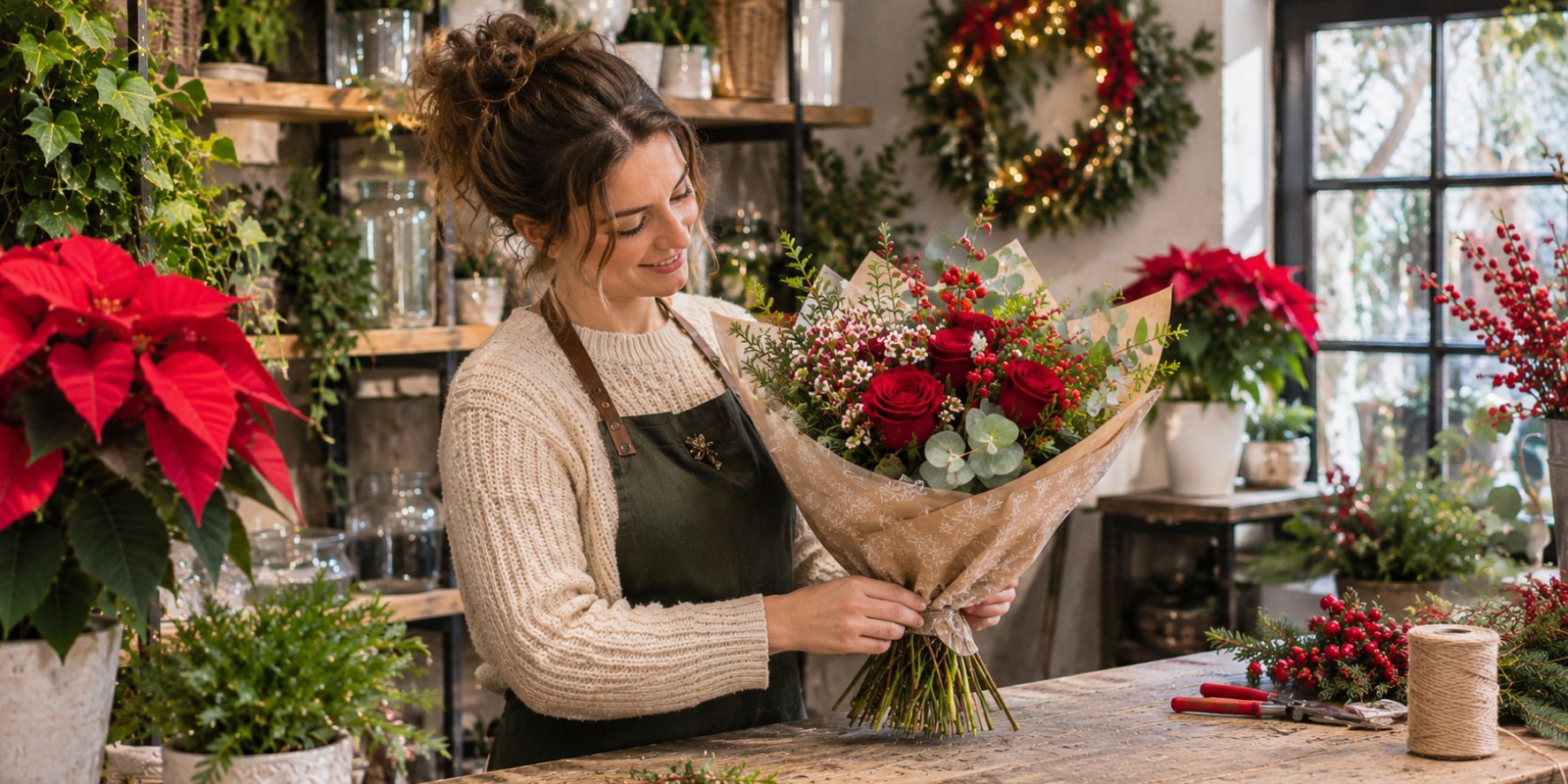
HTA Chief Executive Fran Barnes warned that "strong turnover does not necessarily mean stronger returns", with employment, fuel and supply costs eating into gains. It's a useful barometer for florists: people are still spending on plants and flowers, but they're nervous, which backs up the "reassure, don't discount" Christmas advice in the above story.

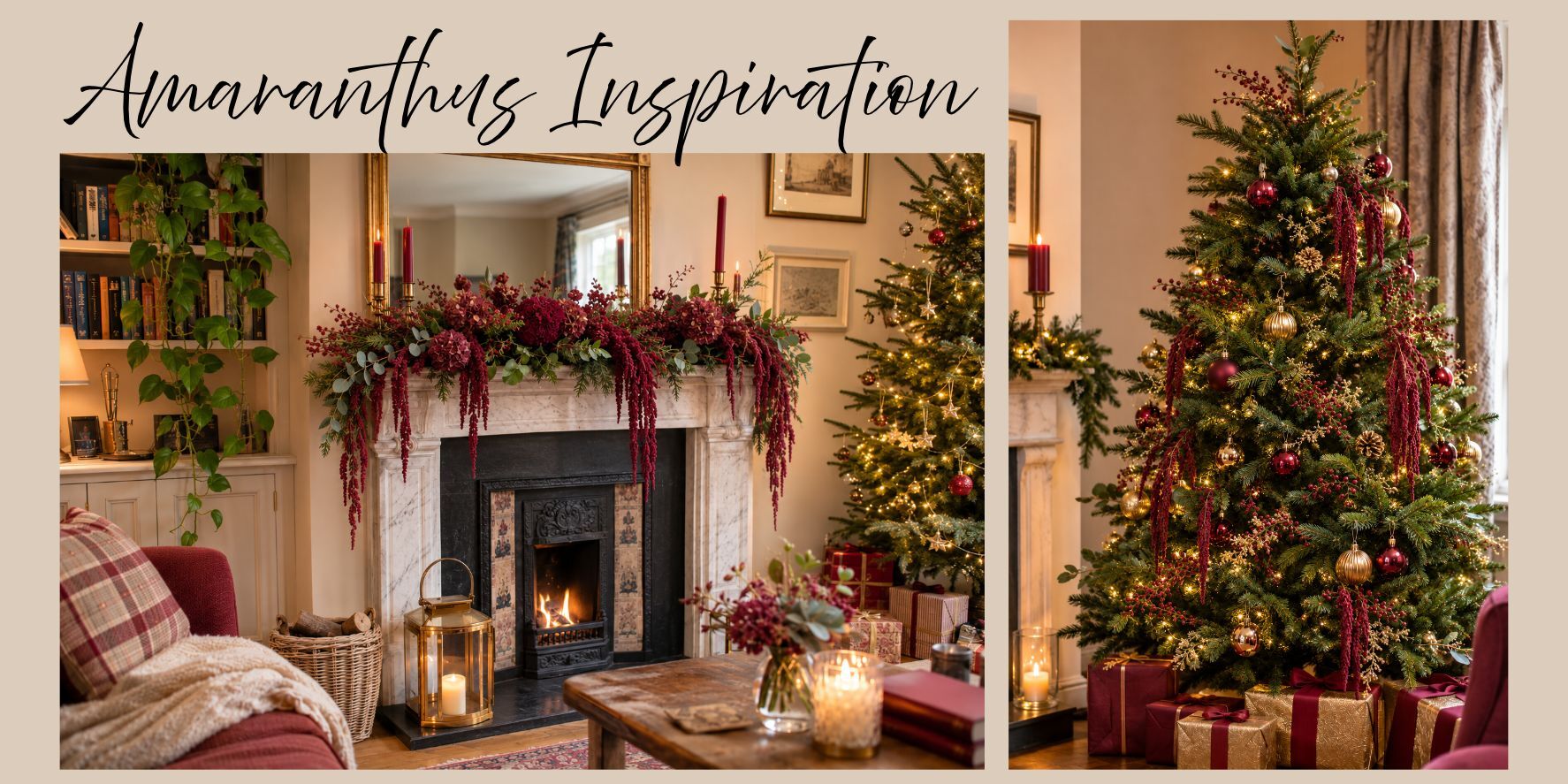
US designer Shea McGee has swapped last year's dried hydrangeas for cascading burgundy Amaranthus on her "Holiday Grandeur" Christmas tree, and Homes & Gardens is calling it the more dramatic flower trend for 2026 (see it here). McGee says "we're layering in florals for more fullness, texture, and colour", using Amaranthus garlands on mantelpieces and wreaths too.
Florals placed in the tree are a natural upsell for UK florists: dried or preserved Amaranthus, Hydrangea heads and seed pods tucked into a client's tree, or "tree florals" kits sold over the counter.

26 Nov - Small Business Saturday Tour, Manchester
27 Nov - Black Friday
1 Dec - Small Business Saturday Tour, Glasgow
5 Dec - Small Business Saturday
24–26 Jan 2027 - Scotland's Trade Fair Spring, SEC Glasgow
2027 (TBC) - Europa Cup — Abigail McGuire representing the UK, details to follow from BFA


- https://defrafarming.blog.gov.uk/2026/11/20/uk-eu-sps-agreement-what-farmers-and-growers-need-to-know/
- https://www.gov.uk/government/publications/ukeu-summit-2026-key-documents/uk-eu-summit-2026-explainer-sps-html
- https://www.floraldaily.com/article/9893220/environment-secretary-visits-provender-nurseries-ahead-of-uk-eu-summit/
- https://www.floraldaily.com/article/9894370/expressing-appreciation-for-decisive-progress-towards-smoother-eu-uk-trade/
- https://theflorist.co.uk/news-1/union-fleurs-and-the-hta-recognise-efforts-to-secure-a-eu-uk-agreement
