

Posted by I.S. Sundries on 24th Aug 2026
PULSE Newsletter Issue 9
This week, we look at the growing demand for British-grown flowers, the continued shift towards online purchasing, and why customer loyalty matters more than ever. Plus, we explore how fashion and pop culture are putting flowers firmly in the spotlight, from Dior’s waterlilies to the return of the flower crown.

Did you know there’s a dedicated collection hub for British-grown flowers at New Covent Garden Flower Market in London, giving UK growers a new, direct route to the trade wholesale market? The hub is designed to make it easier for florists buying at New Covent Garden to access home-grown seasonal stock alongside the imported offerings that have historically dominated the market.
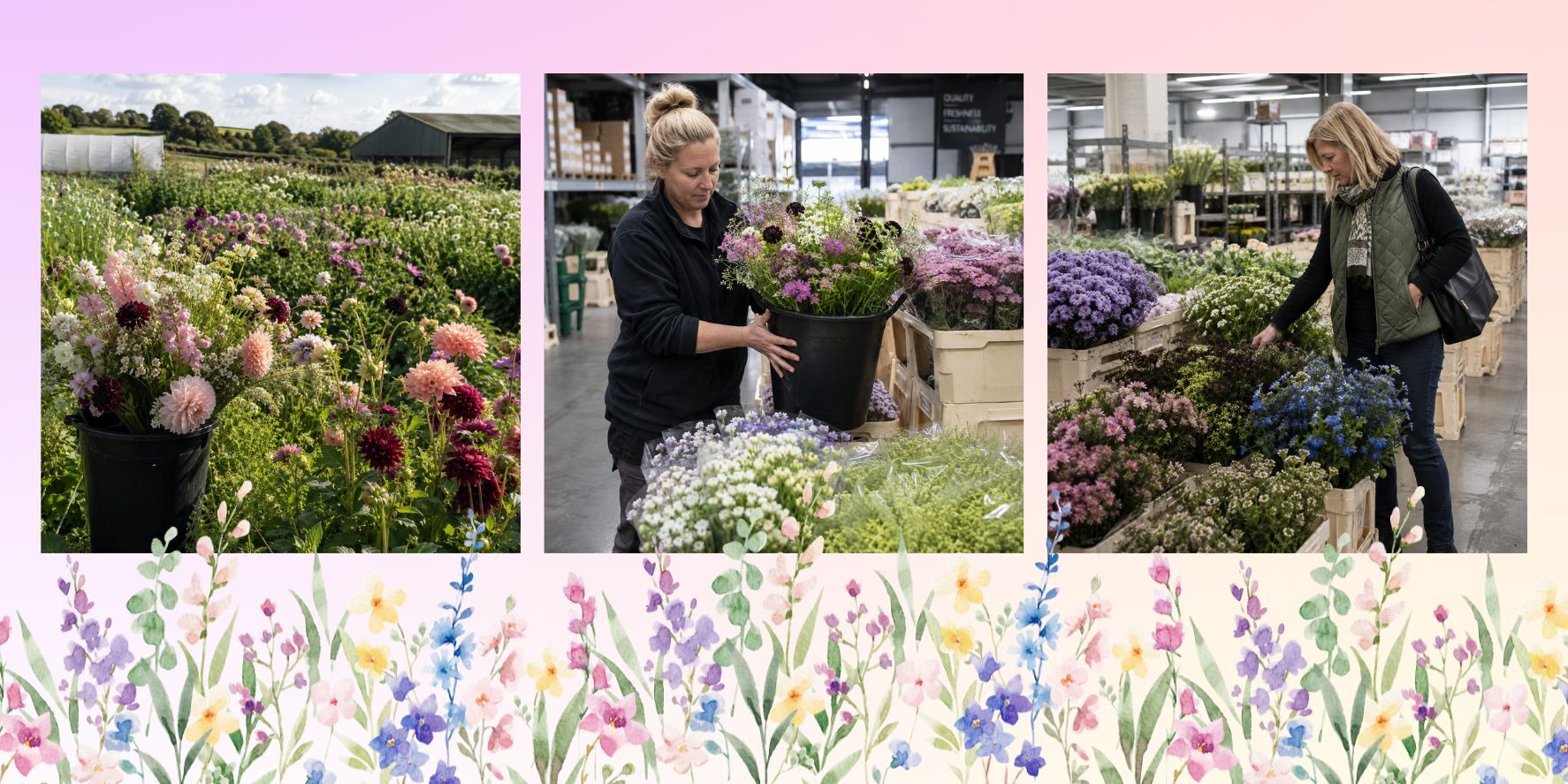
This is part of a broader trend of grower-led infrastructure investment that has seen regional buying hubs spring up across the country, shortening supply chains and making locally grown stock more accessible to florists who aren't based near traditional wholesale centres.
Consume demand for British-grown, seasonal flowers is increasing, and florists who can communicate provenance and seasonality to their own customers will be ahead of the curve.

New market data shows that online now accounts for over 60% of all UK floral purchases — a milestone that underlines how profoundly the industry has shifted since pre-pandemic. While aggregate organic search visibility for UK florists grew by just 3% between early 2025 and early 2026, overall flower search volumes have fallen 7.3% since 2022.
This creates a dual challenge for retail florists: more transactions happen online, but fewer people are searching for flowers in the traditional sense. The winners are those who build loyal repeat customer bases through email, social media, and local reputation — not just those who compete on Google search.
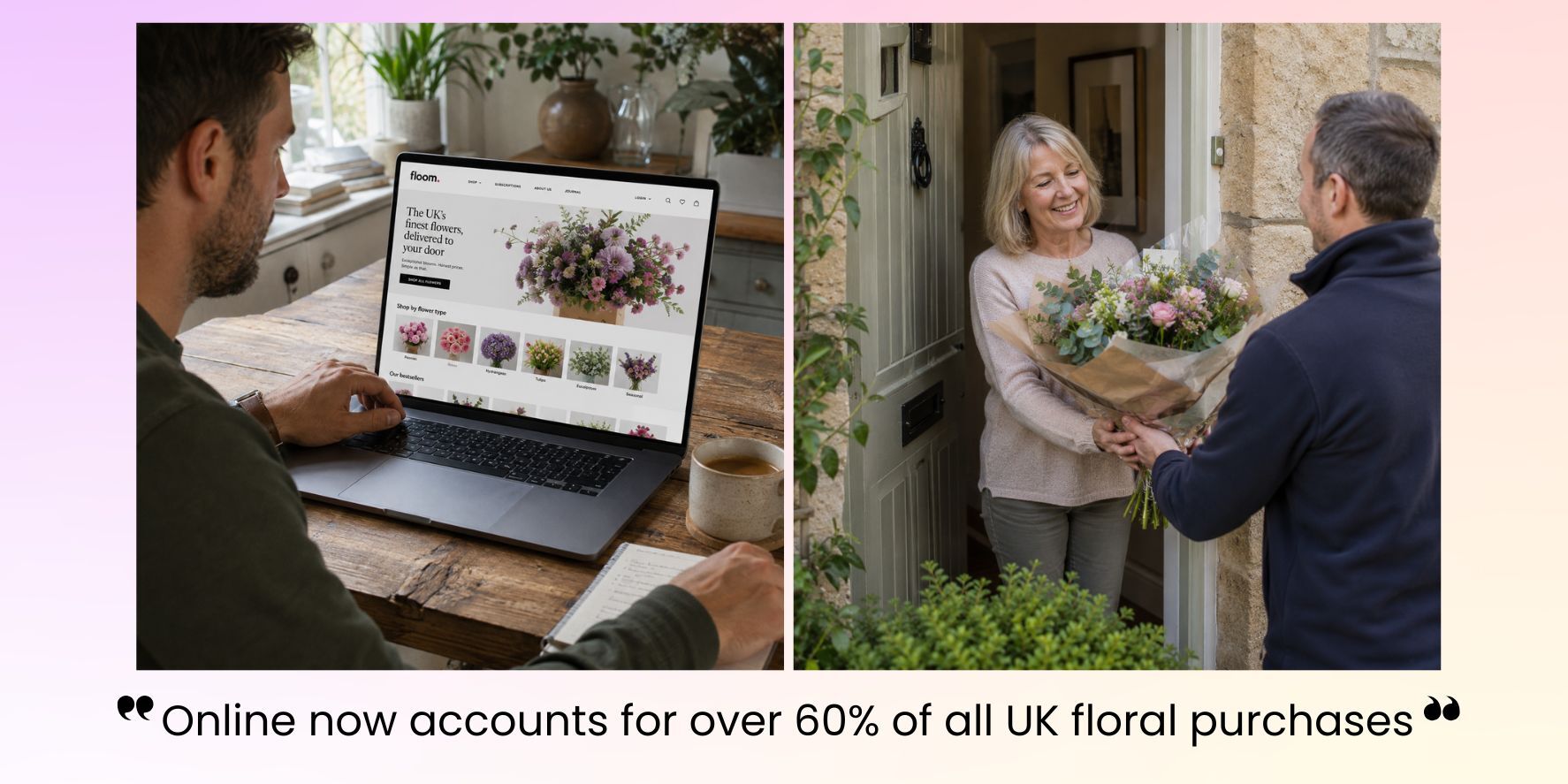
For independent florists, that makes the customer relationship more valuable than ever. A strong website is still essential, but increasingly it needs to work alongside regular social content, email marketing and excellent service that gives customers a reason to return directly rather than begin a new search each time they need flowers.
It also highlights the importance of staying visible between the traditional floral occasions. Weddings, funerals, Valentine’s Day and Mother’s Day will always be important, but encouraging customers to think about flowers for birthdays, thank-yous, celebrations and simply brightening someone’s day can help create more frequent purchasing habits.
The opportunity, then, isn't simply to attract more online traffic. It's to turn the customers you already reach into customers who remember your name, come back to you and recommend you to others. In an increasingly crowded digital marketplace, that loyalty could prove very valuable.

Jonathan Anderson's debut Autumn/Winter 2026 collection for Dior, shown in the Jardin des Tuileries beside an actual lily pond, may be the most flower-forward fashion moment in years. The collection was described as "a visual ode to the waterlily": ruffles, romanticism, blurred botanical prints, and the kind of soft, overblown bloom aesthetic that hasn't felt this high-fashion since Alexander McQueen's garden era.
This isn't just a fashion story. When Dior centres a collection on a single flower, retailers and stylists take note, and so should florists. The waterlily aesthetic (open, impressionistic, slightly wild) tracks directly onto what wedding clients are already asking for: loose, garden-gathered arrangements with movement, layered textures, and a sense that the flowers weren't arranged so much as discovered.
Other AW26 shows leaned into florals too: at Emilia Wickstead and Patrick McDowell, floral appliqués and rosette ribbons replaced traditional jewellery, and floral embroidery appeared as a detail across several London Fashion Week collections, suggesting the trend runs deep this season.

Ariana Grande released her album "Petal" on 31 July, and the floral-aesthetic rollout that followed went viral through early August. The visual world she built around it — gauzy, overexposed photography, flower crowns, pressed botanical imagery, a sort of romanticised cottage-core — sparked a wave of flower-related content across TikTok and Instagram.
The wider effect: flower crowns are back, driven partly by this moment and partly by a broader nostalgia for early-2010s aesthetics. Florists who can offer flower crown workshops, or simply post about them, are sitting on a trending topic right now. The hashtag #petal is pulling serious volume.
This is the kind of cultural hook that could turn a slow week into a sold-out workshop. "Make your own Ariana-inspired flower crown" is a ready-made event concept — low cost, highly giftable, and relevant to both younger customers and the hen-party market.



27 September 2026 – National Federation of Young Farmers' Clubs National Final — Floral Art
3 October 2026 – BFA Industry Awards Ceremony & Gala Dinner, Nottingham (FleurEx 2026)
October 2026 – FleurEx 2026 BFA's flagship event for retail florists and students


Collection hub for British-grown flowers opens at New Covent Garden — FloralDaily (https://www.floraldaily.com/article/9833142/collection-hub-for-british-grown-flowers-opens-at-new-covent-garden-flower-market/)
2026 Florist Industry Report — Salience (https://salience.co.uk/report/florist-retailers-market-performance-report)
Dior Fall-Winter 2026 Ready-To-Wear — AOL Lifestyle (https://www.aol.com/lifestyle/dior-fall-winter-2026-ready-190851300.html)
10 Fashion Month Trends: Fall/Winter 2026 — Who What Wear (https://www.whowhatwear.com/fashion/runway/fashion-week-trends-fall-winter-2026)
Top UK Wedding Flower Trends 2026 — Desert Dreams (https://desertdreams.co.uk/blogs/latest-dried-flower-trends/top-uk-wedding-flower-trends-for-2026)
August 2026 TikTok Trends — NewEngen (https://newengen.com/insights/august-tiktok-trends/)
